Energy Affordability Must Be at the Heart of Energy Policy
By Dr Jamie Speirs, Deputy Director, Centre for Energy Policy.
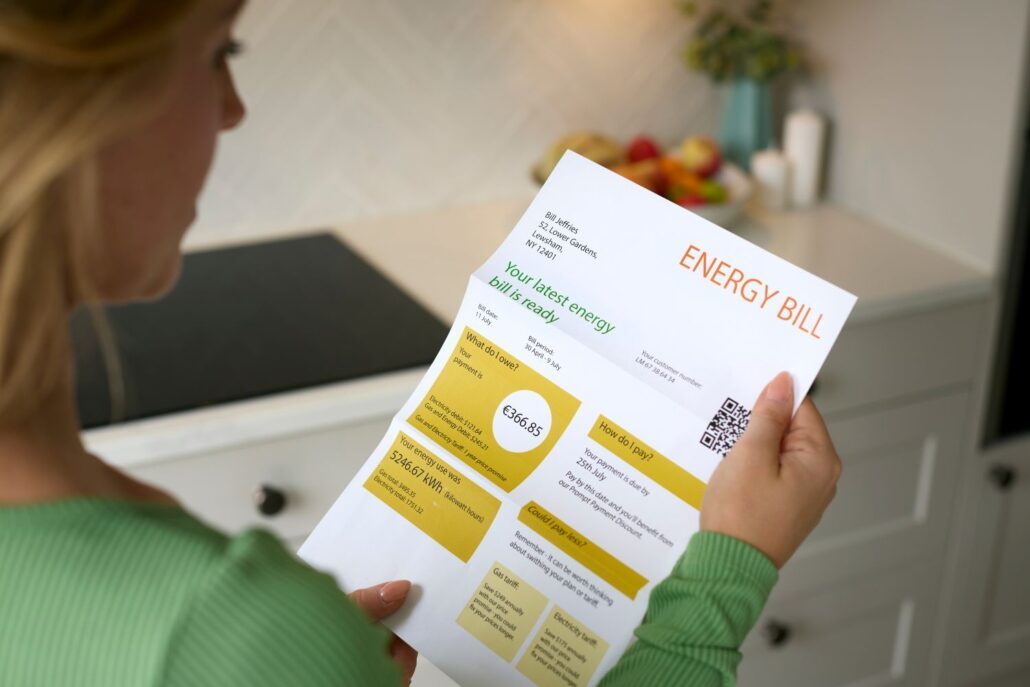
Energy affordability in the UK has improved since the peak of the energy crisis, but pressure on households remains high. Government interventions such as the Energy Price Guarantee helped stabilise bills. However, many households still struggle with those with protected characteristics facing the greatest risk from price fluctuations. Disabled people, older households, and those on low incomes are particularly at risk, as evidence shows they often spend a higher share of income on energy and have less flexibility to reduce use. Progress has been made, but it is uneven and fragile.
The Centre for Energy Policy at the University of Strathclyde focuses on delivering practical, evidence-based solutions for a fair energy transition. We work closely with the Energy Demand Research Centre and the UK Energy Research Centre, partnerships which bring together leading expertise on how people use energy, how systems can adapt, and how policy can deliver equitable outcomes. Our role within these collaborations is to ensure that fairness and distributional impacts sit at the heart of decision-making.
Energy affordability is a critical policy issue. Global instability continues to drive market volatility, with conflicts in Iran and Ukraine reinforcing the UK’s exposure to international energy shocks. At the same time, the UK has committed to a clean power system by 2030, which would offer long-term price stability and energy security. However, this pathway must be managed carefully to avoid further strain on vulnerable households. National Energy Action has estimated that 6.1 million households across the UK are in fuel poverty (spending at least 10% of their income on heating their home).
Clean heating solutions – such as heat pumps – can help tackle energy insecurity, as proposed in the UK Government’s Warm Homes Plan. However, research by CEP and UKERC, shows that high electricity prices remain a major barrier to uptake, particularly for low-income and vulnerable households. These groups risk being locked into more expensive systems. Our work also highlighted that decoupling electricity prices from gas will be key to reducing energy costs, a priority the UK Government has recognised in its plans to decouple the two.
Simply put, energy affordability must sit at the core of energy policy. Any strategy that ignores it risks widening inequality and undermining public support for the clean energy transition.
Our research, developed with the Energy Demand Research Centre and the UK Energy Research Centre, focuses on solutions that are both effective and fair. A key area is social and flexible energy tariffs. While UK Government has indicated its intention to consider social tariffs to reduce bills for those least able to pay, our UKERC-funded work shows that poorly designed tariffs, such as rising block tariffs, can increase costs for some vulnerable households, including those reliant on medical equipment or living in poorly insulated homes. This project will continue to look at how well-designed social tariffs can provide targeted support where it is needed most.
Our research within the Energy Demand Research Centre (EDRC) shows that people with protected characteristics face structural barriers to adopting low-carbon technologies, including high upfront costs, housing constraints, and limited access to information. Effective policy responses must go beyond financial incentives, addressing non-economic barriers through more flexible, targeted and regionally sensitive approaches. Ultimately, the integration of policy across different sectors such as health, housing, and transport will help tackle these issues holistically.
A further strand of our work looks at how the costs of net zero are distributed. We have analysed different funding approaches for ‘green levies’, including through energy bills and taxation and found that funding through general taxation, particularly consumption-based taxes, is more progressive than recovering costs through energy bills. This approach reduces the burden on low-income households and improves fairness across the system.
Current projects at UKERC and EDRC are also examining market reform and its impact on energy prices. UKERC’s Whole Systems Mission: Rapid Bill Reduction has found that as more CfD contracted energy comes into the mix, the role of gas generation in setting household electricity prices will fall. Future work will explore options to keep CfD prices down, reduce curtailment costs and minimise network upgrades costs. Within EDRC, the Equity and Flexiblity Themes are looking at the flexibility needs of the future low-carbon power system in Great Britain and how demand-side flexibility can reduce costs whilst improving resilience and securing a more equitable system. All of this comes as the UK Government announces new measures to encourage more CfD contracts and the decoupling of gas and electricity prices .
Decisions taken now are essential to laying the foundations for a successful and publicly trusted energy transition; one that delivers secure, affordable and fair energy for all.
